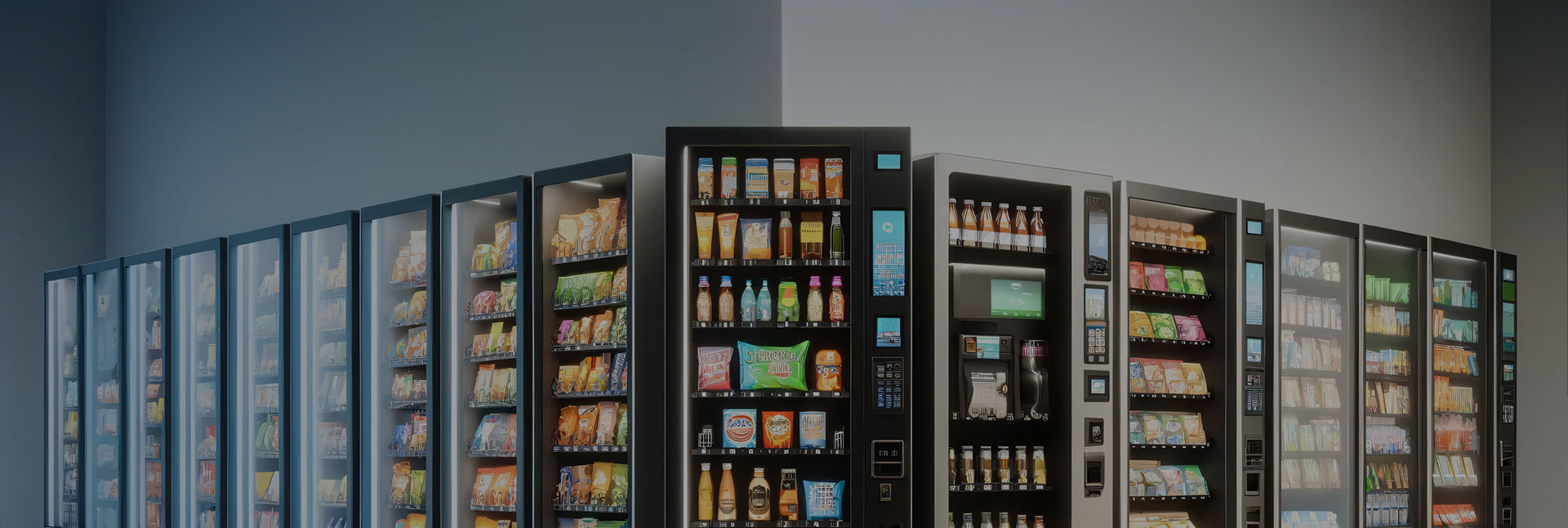
A foundational component in modern industrial and commercial equipment, sheet metal enclosures protect electronics, electrical components, and mechanical assemblies from environmental and physical hazards.
A sheet metal enclosure is a protective housing fabricated from metal sheet stock — typically cold-rolled steel (SPCC), stainless steel, or aluminum alloy — through a sequence of precision forming processes including laser cutting, CNC bending, welding, and surface finishing. According to Sheet Metal Forming Processes and Die Design (Suchy, 2006), modern sheet metal work achieves structural rigidity-to-weight ratios superior to cast alternatives, making it the preferred solution for enclosures in industries where weight savings and design flexibility are critical.
Enclosures serve two engineering functions simultaneously: mechanical protection (vibration, impact, ingress of dust and moisture) and electromagnetic shielding (attenuation of EMI/RFI). The IEC 60529 standard classifies enclosure protection ratings using the IP (Ingress Protection) code, while NEMA 250 provides equivalent classifications for North American markets.
At Jiafeng, sheet metal enclosures are manufactured across a fully integrated in-house production line — eliminating subcontractor lead-time variability and ensuring dimensional consistency from batch to batch. Our precision machining and electromechanical integration capabilities allow us to deliver complete, ready-to-deploy enclosure assemblies.
vs. Plastic molding: Sheet metal enclosures provide superior tensile strength (SPCC: ~270–400 MPa), dimensional stability at elevated temperatures, and inherent electromagnetic shielding — critical for power electronics and telecommunications equipment.
vs. Die casting: Sheet metal requires no tooling investment for most geometries, making it cost-effective for low-to-medium volumes (50–10,000 units per run). Lead times are typically 40–60% shorter than aluminum die casting.
vs. Extrusion profiles: Sheet metal allows full 3D geometry freedom, integrated mounting features, and complex cutout patterns that extrusion cannot achieve without secondary machining.
Selecting the right base material is the first critical engineering decision for any sheet metal enclosure project. The table below summarizes the most common materials used in industrial enclosure fabrication.
| Material | Grade / Standard | Tensile Strength | Thickness Range | Corrosion Resistance | Typical Application | Weight |
|---|---|---|---|---|---|---|
| Cold-Rolled Steel (SPCC) | JIS G3141 / ASTM A1008 | 270–400 MPa | 0.5–3.0 mm | Moderate (with coating) | Electrical cabinets, server racks, control panels | 7.85 g/cm³ |
| Stainless Steel 304 | ASTM A240 / EN 1.4301 | 515–620 MPa | 0.5–4.0 mm | Excellent | Food processing, medical, outdoor telecom enclosures | 7.93 g/cm³ |
| Stainless Steel 316L | ASTM A240 / EN 1.4404 | 485–620 MPa | 0.5–3.0 mm | Excellent (chloride resistant) | Marine, chemical plant, pharmaceutical enclosures | 7.98 g/cm³ |
| Aluminum Alloy 5052 | ASTM B209 / EN AW-5052 | 193–228 MPa | 0.8–6.0 mm | Very Good | Aerospace, EV battery housings, RF-shielded enclosures | 2.68 g/cm³ |
| Aluminum Alloy 6061-T6 | ASTM B209 / EN AW-6061 | 276–310 MPa | 0.8–6.0 mm | Very Good | Precision instruments, automation systems, heat-sink enclosures | 2.70 g/cm³ |
| Galvanized Steel (SGCC) | JIS G3302 / ASTM A653 | 270–370 MPa | 0.5–2.5 mm | Good (zinc barrier) | HVAC, outdoor distribution boxes, utility enclosures | 7.85 g/cm³ |
Data references: ASTM International Standards; JIS (Japanese Industrial Standards); MatWeb Material Property Database (2024).
Every sheet metal enclosure follows a disciplined eight-stage production workflow, ensuring dimensional accuracy, structural integrity, and cosmetic quality at each step.
Engineering team reviews customer drawings (STP/DWG/PDF) and conducts Design for Manufacturability (DFM) analysis — identifying bend reliefs, minimum flange lengths, and hole-to-edge distances per SME Metal Forming Handbook guidelines.
Fiber laser cutting (3,000–12,000 W) creates flat blanks from sheet stock. Cutting tolerance: ±0.1 mm. Kerf width: 0.1–0.3 mm depending on material thickness. Suitable for SPCC, stainless steel, aluminum, and galvanized steel up to 25 mm thick.
NCT CNC punch presses (45T–260T) handle repetitive hole patterns, louvres, and knockouts with ±0.05 mm repeatability. More cost-effective than laser for high-volume perforated patterns.
Salvagnini automated panel benders and CNC press brakes (35T–250T) form enclosure panels, brackets, and flanges. Springback compensation algorithms maintain angular tolerances to ±0.3°. Minimum bend radius follows R ≥ 1.0t for steel, R ≥ 1.5t for stainless steel.
CNC drilling and tapping centers produce threaded inserts (M2.5–M10) and precision-located fastener holes. Press-riveting machines install PEM standoffs and studs for reliable assembly interfaces.
3,000 W laser welding robots, CO₂ MIG robots, and automated stud welding machines join enclosure sub-assemblies. Weld integrity is verified per AWS D1.1 structural welding code. Post-weld seam polishing ensures cosmetic consistency.
Electroplating (blue/white zinc, 96–128 h salt spray), powder coating (TGIC polyester, RAL/Pantone colour matching), and ceramic conversion coating options are available in-house. Pretreatment includes 21-slot chemical cleaning and phosphating lines.
CMM measurement [E = (1.9 + 3L/1000) μm], RoHS XRF analysis, vision-based 2D inspection (±50 μm), and tensile/adhesion testing (per ISO 4624) precede final packing. Compliance reports supplied with each shipment.
The following specifications reflect Jiafeng's standard production capabilities for custom sheet metal enclosures. Tighter tolerances are achievable on request.
| Process | Capability | Tolerance |
|---|---|---|
| Laser Cutting (steel) | Up to 25 mm thick | ±0.10 mm |
| Laser Cutting (aluminium) | Up to 20 mm thick | ±0.10 mm |
| CNC Punching | 1,500 × 3,000 mm sheet | ±0.05 mm |
| CNC Bending (angle) | 35T–250T tonnage | ±0.3° |
| CNC Bending (length) | Up to 3,000 mm | ±0.15 mm |
| Drilling / Tapping | M2.5–M10 thread | ±0.05 mm pos. |
| Weld Seam Gap | CO₂ / Laser / TIG | <0.2 mm |
| Flatness (panel) | Post-levelling | ≤1.0 mm/m |
| Finish | Standard / Method | Corrosion Protection |
|---|---|---|
| Zinc Electroplating (blue) | ISO 2081 / ASTM B633 | 96 h salt spray |
| Zinc Electroplating (white) | ISO 2081 / ASTM B633 | 128 h salt spray |
| Powder Coating | RAL/Pantone, 60–80 μm DFT | 500+ h salt spray |
| Ceramic Conversion | MIL-DTL-5541 equivalent | 336 h salt spray |
| Passivation (SS) | ASTM A967 / ISO 16048 | Inherent resistance |
| Anodising (Al) | MIL-A-8625 Type II/III | 500–2000 h salt spray |
Salt spray test data per ISO 9227. DFT = dry film thickness. All specifications subject to material grade and part geometry.
The IEC 60529 Ingress Protection standard defines the environmental sealing level of enclosures. Jiafeng designs and fabricates sheet metal enclosures to meet the following common IP ratings through gasket selection, seam welding, and hardware integration.
Protected against solid objects >12 mm. No water protection. Indoor, non-hazardous areas (e.g., office server racks).
Protected against solid objects >1 mm and water splashing from any direction. Light industrial environments.
Dust-protected (limited ingress); splash-proof from all directions. Standard for outdoor control panels and automation enclosures.
Fully dust-tight; jet-water resistant. Widely specified for outdoor telecom, solar inverter, and power distribution enclosures.
Fully dust-tight; powerful water jet resistant. Required for enclosures near high-pressure washdown environments.
Dust-tight; temporary immersion (1 m, 30 min). Used in underground cable junction boxes and subsurface installations.
IP rating definitions per IEC 60529:2013. NEMA equivalent ratings available upon request (NEMA 1/4/4X/12/13).
Jiafeng supplies custom sheet metal enclosures across six major industrial sectors, each with distinct performance and regulatory requirements.
LV switchgear cabinets, busbar trunking housings, transformer enclosures, and battery energy storage system (BESS) chassis. Typically SPCC + powder coat to IEC 62208 / IEC 61439 standards.
IEC 61439 | IP54–IP65Outdoor fibre distribution cabinets, base station equipment housings, rack-mount chassis (EIA-310-D), and DIN-rail enclosures. RF attenuation achieved through continuous weld joints and conductive gaskets.
EIA-310-D | IP65–IP66Imaging system chassis, diagnostic device housings, and cleanroom-compatible enclosures fabricated from electropolished SS316L per ISO 13485 quality management requirements.
ISO 13485 | IP54PLC control cabinets, servo drive enclosures, robot controller housings, and factory automation sub-assemblies. Integrated cable management, DIN rail mounting, and EMC gasket channels available.
IEC 60204-1 | IP54–IP65ATM fascia panels, POS terminal housings, vending machine enclosures, and kiosk structures. Jiafeng's proprietary vending machine OEM/ODM expertise provides a complete hardware-to-software delivery option.
Custom IP | OEM/ODMWafer handling equipment housings, test fixture enclosures, and precision instrument chassis requiring sub-millimetre dimensional tolerances and anti-static powder coat or bare electropolished finishes.
±0.05 mm | CMM CertifiedThe right surface finish directly impacts corrosion life, aesthetics, and compliance. Jiafeng offers a full range of finishing options in-house, eliminating outsourcing delays.
| Finish Type | Process | Typical Thickness | Salt Spray (ISO 9227) | Colour Options | Best For |
|---|---|---|---|---|---|
| Blue Zinc Electroplating | Automated barrel / rack zinc | 5–8 μm Zn | 96 hours | Blue-iridescent | Internal components, brackets, mild-environment enclosures |
| White Zinc Electroplating | Automated rack zinc + chromate | 8–12 μm Zn | 128 hours | Silver-white | Electrical cabinet panels, relay housings, moderate humidity |
| TGIC Powder Coating | Electrostatic spray + cure 180–200 °C | 60–80 μm | 500–1,000 hours | Any RAL / Pantone | Outdoor enclosures, consumer-facing products, branding-critical OEM parts |
| Ceramic Conversion Coating | Zirconium-based nano-ceramic bath | 0.1–1 μm | 336 hours | Clear / slight iridescence | Pre-treatment for powder coat adhesion; RoHS-compliant alternative to chromate |
| Type II Anodising (Al) | Sulphuric acid bath, 18°C | 5–25 μm Al₂O₃ | 500 hours | Clear, black, custom dye | Aluminium enclosures needing hard, dielectric, decorative finish |
| Electropolishing (SS) | Electrolytic polishing in phosphoric/sulphuric acid | 5–20 μm removed | N/A (inherent) | Mirror / satin | Medical, food-grade, and cleanroom SS enclosures |



