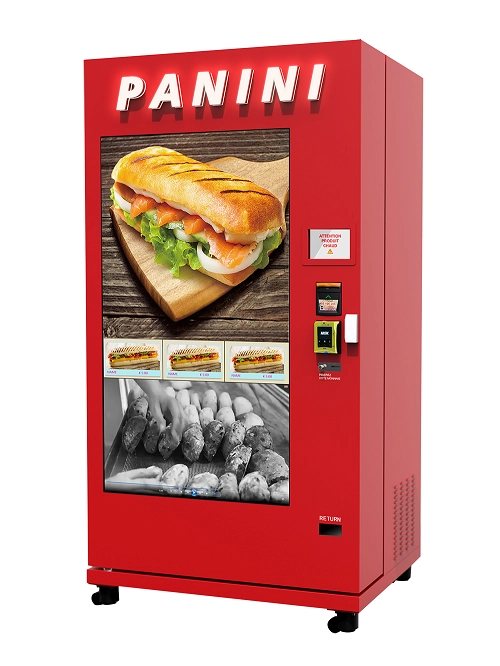
Bread vending machines are automated retail systems that dispense fresh baked goods on demand. Unlike standard snack or drink kiosks, these specialized machines serve bread—a staple food that requires careful handling to ensure quality, freshness, and food safety.
What Is a Bread Vending Machine?
A bread vending machine is an automated retail terminal designed to store, preserve, and dispense loaves of bread and similar bakery items. These machines may be found in urban centers, transit hubs, workplaces, residential complexes, or shopping centers.
While the concept is simple—sell bread without a cashier—the technology required to deliver fresh, hygienic, and correctly portioned bread is complex and multi‑faceted.
Key Functional Requirements
A bread vending machine must meet several core functional requirements:
Freshness Preservation
Bread is a perishable food item. Machines must manage humidity, airflow, and temperature to keep items fresh.
Some systems include:
- Climate‑controlled chambers: regulated temperature and humidity.
- Rotating stock mechanisms: ensure first‑in first‑out (FIFO) dispensing.
Hygiene and Food Safety
Bread must be protected from contamination:
- Sealed product packaging.
- Anti‑tamper dispensing mechanisms.
- Regular sanitation protocols built into maintenance.
User Interface and Experience
Customers should easily select and pay for products:
- Touchscreens or button panels.
- Clear product images, nutritional information.
- Multi‑lingual support where applicable.
Payment Processing
Modern machines accept:
- Coins & bills
- Credit/debit cards
- Mobile wallets (NFC payments like Apple Pay/Google Pay)
- QR‑code payments tied to apps
Secure transactions and payment reconciliation systems are essential.
How Bread Vending Machines Work
Below is a typical operational flow:
Stock Loading
An operator loads bread products into the machine’s storage area.
Bread may be:
- Pre‑packaged by bakeries
- Placed in specialized carriers within the machine
The machine keeps track of stock using sensors and RFID tags.
Climate and Preservation System
To prevent spoilage, machines use:
- Cooling elements (not freezing)
- Controlled humidity to prevent drying
- UV light cycles for sanitization (in some units)
Selection and Purchase
Customers interact via:
- Touchscreen menus listing bread types and prices
- Physical buttons on simpler models
- App integration for remote ordering
Once selected, the system calculates total cost and prompts for payment.
Payment Processing
The payment module authorizes the transaction:
- Card readers with EMV compliance
- Cash validators for bills/coins
- Contactless payment via NFC
- QR code scans linked to digital wallets
Dispensing Mechanism
Dispensing must deliver bread without damage:
- Spiral or conveyor based delivery for packaged items
- Robotic arms for unique bread shapes
- Drop chutes with cushioning material
Sensors verify successful delivery to the exit port.
Receipt and Feedback
Customers may receive:
- Printed receipts
- Digital receipts via email/app
- Feedback prompts on the machine screen
Technical Components in Detail
Each bread vending machine integrates multiple engineering domains:
Mechanical Systems
- Dispensing Mechanisms — Motors, belts, or spirals that move products.
- Storage Racks — Adjustable compartments to handle different sizes.
- Sensors — Optical/weight sensors to detect stock levels.
- Delivery Chutes — Designed to prevent damage to bread.
Key design challenge: protect delicate bread while moving it reliably.
Refrigeration & Climate Control
Temperature and humidity control systems often borrow from cold‑chain technologies:
- Thermoelectric coolers or compact compressors.
- Humidity sensors with active humidifiers.
- Air flow systems to ensure even environment.
Special bread like sourdough or artisan loaves may require unique conditions.
Electronics and Control Systems
- Main controller (PLC or microcontroller): runs logic for operations.
- Touchscreen Interface: UI for customers.
- Sensors Network: communicates stock levels and machine status.
- Connectivity Module: Wi‑Fi, cellular, or Ethernet for remote monitoring.
Payment Hardware and Software
Payment systems must be:
- EMV‑compliant card readers
- Secure mobile payment interfaces
- Backend payment gateways
- Audit trails for transactions
Encryption and security standards (PCI DSS) are mandatory.
Customer Experience
Good design prioritizes ease and satisfaction:
Menu Design
- Include photos, prices, weights, and descriptions
- Offer bread pairings (e.g., olive oil, butter packets)
Accessibility
- ADA‑compliant interfaces
- Multiple languages
- Clear visual/audible prompts
Feedback Loops
Allow customers to:
- Rate products
- Report issues
- Reorder via app
Operational Management
Stock Monitoring
Operators use:
- Remote dashboards
- Alerts for low stock, temperature deviations
- Performance analytics
Restocking and Logistics
Operators must plan routes, schedules, and:
- Ensure first‑in first‑out
- Track expiry dates
- Coordinate with bakeries
Maintenance and Cleaning
Routine tasks include:
- Sanitizing touch screens and dispensing areas
- Cleaning climate systems
- Updating software
Preventive maintenance reduces breakdowns.
Safety and Compliance
Bread vending machines must meet food and electrical safety standards:
- NSF/ANSI standards for vending
- Local health department food handling requirements
- Electrical codes for installation
Annual inspections may be required.
Business Models and Economics
Operators can partner with:
- Local bakeries
- Franchises
- Retail locations with foot traffic
Revenue streams:
- Direct sales
- Subscription/reward programs via apps
- Advertising on machine screens
Key metrics:
- Average sale per customer
- Stock turnover
- Uptime and maintenance costs
Challenges and Considerations
Some ongoing challenges include:
Freshness vs Stock Levels
Balancing:
- Having sufficient stock
- Avoiding stale product waste
Security Risks
Vending machines can be targets for:
- Vandalism
- Theft
- Skimming on payment devices
Mitigation via robust casing and secure payment modules.
Climate Sensitivity
Bread is sensitive to heat and humidity, requiring dependable systems.
Innovations and Future Trends
Emerging technologies shaping the next generation of bread vending machines:
Robotics
Automated robotic arms for handling loose baked goods.
AI and Predictive Restocking
Machine learning forecasts demand based on:
- Time of day
- Weather
- Local events
Smart Packaging & Traceability
QR codes and RFID tags for:
- Freshness tracking
- Supply chain transparency
Integration with Smart Cities
Connected vending as part of urban food access.
Bread vending machines are a compelling example of how traditional food products can be delivered with modern technology. Successfully operating these machines demands a mix of mechanical engineering, food science, user experience design, and business strategy.